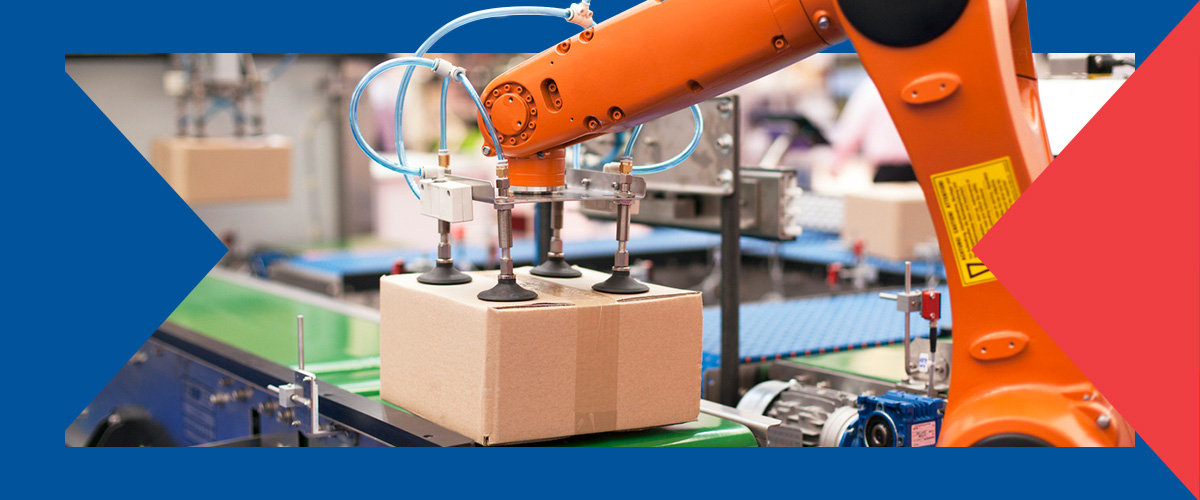
Plant managers are facing a profit squeeze. Labor rates keep rising, material costs fluctuate and production targets climb higher. At the same time, manual sealing, boxing and wrapping processes often create hidden bottlenecks that limit profitability. Packaging automation isn't just about speed — it's about building consistent, measurable performance.
Here are five practical ways to reduce operational costs with packaging automation and where the right solutions make the biggest difference.
1. Reduce Direct Labor Costs
Repetitive tasks like pedal sealing and manual bagging require multiple workers per shift and can lead to fatigue and turnover. According to the National Association of Manufacturers, attracting and keeping a skilled workforce is a major challenge for nearly two-thirds of manufacturers.
Switching to continuous band sealing technology changes labor distribution. One operator can handle output similar to three or four manual stations. This approach reduces overtime costs and allows staff to be assigned to higher-value roles, such as quality assurance and fulfillment. Automation helps fill workforce gaps without losing productivity.
2. Optimize Material Usage
Manual over-wrapping, done “just to be safe,” often results in 10-15% extra material use per unit. Even small inefficiencies add up quickly. Industry data indicates that using shrink film 1 inch larger than needed can waste up to 2,000 extra feet per day.
Precision shrink-wrapping systems eliminate guesswork by controlling film use and ensuring accurate application every cycle. Consistent load containment enhances stability while eliminating human errors. The outcome is reduced packaging costs per unit and immediate savings on consumables.
3. Decrease Shipping Costs Through Right-Sizing
Major carriers now round package dimensions up to the next whole inch when calculating dimensional weight. Even a tiny amount of excess space can significantly increase shipping costs.
Automated bagging systems and right-sized bundling help reduce wasted space by using smaller, flexible packaging when possible. This technique reduces dimensional weight charges, increases pallet density and improves trailer space utilization. Shipping less “air” directly reduces freight expenses.
4. Minimize Product Damage and Returns
Inconsistent manual seals can cause food spoilage, breaches in sterility for medical packaging, or damage during transport. Returns and rework can quietly cut into profits.
Using validatable sealing systems strengthens quality control by tracking heat, pressure and speed in real time. This consistency protects revenue and brand image.
5. Increase Throughput and Efficiency
Human operators get tired, and slowdowns at the end of shifts affect output consistency. Production variations grow as shifts go on.
Integrated conveyor systems run continuously and keep stable cycle times throughout the day. Facilities can quickly boost production during demand spikes without the costs or delays of hiring and training temporary workers.
Strengthen Margins With Smarter Packaging
Long-term profitability depends on improving packaging line efficiency at every stage of the operation. This is where Plexpack's modular automation solutions provide real value. Whether you need precise bag sealing or high-speed shrink bundling, contact us today to evaluate your line and calculate your potential ROI.