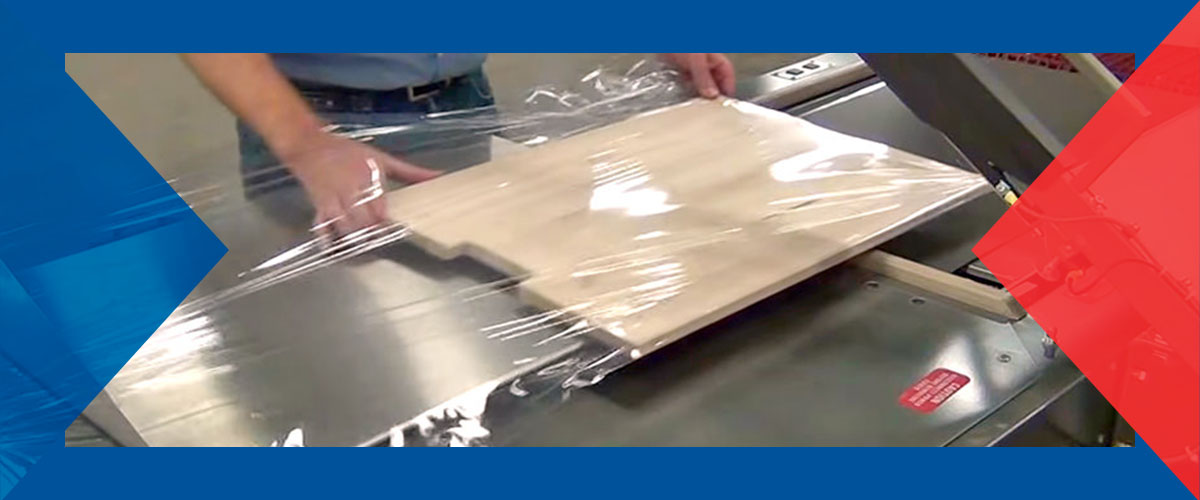
An excellent way to reduce costs in your supply chain is to examine your packaging operations. The packaging process takes up a considerable amount of time, and the fees for materials are significant. When you create a cost-effective automated packaging operation, you shorten time frames, increase productivity and reduce storage space.
This article examines the advantages of automated packaging, including cost reduction per unit and the customization of packaging solutions to meet the specific needs of various industries.
Understanding the Cost of Automation Packaging Solutions
It is easy to feel overwhelmed by the up-front costs of automation packaging without balancing the potential return on investment. However, streamlining your packaging can deliver significant savings over time. Here is an outline of the initial costs to consider:
Packaging Automation Equipment
The largest investment is buying the automation packaging equipment. Equipment performance is a consideration when analyzing how much it can reduce costs per unit in the future. Depending on whether you require shrink wrap packaging technology or continuous band bag sealers, some models may be more cost-effective than others. The growth of packaging technology offers versatility to reduce costs per unit and enables you to process bigger volume jobs.
Integrating Technology and Installation
Particularly during the early stages of automation, integration and installation can temporarily limit productivity and increase the cost per unit. The transition from manual to automated takes staff time to adjust. There will likely be a short period of time to learn new processes. Physical adjustments like making space for equipment and setting up electrical connections are other considerations adding to up-front expenses.
The number of machines and resources and their complexity also contribute initial investment. Over time, you will eventually see an ROI with better productivity and a cheaper cost per unit.
Staff Automation Training
Installing an automated packaging system is a significant adjustment for any packaging business. Scheduling the appropriate time to learn how to operate the machinery and technology affects day-to-day operations, influencing the cost per unit. Based on the difficulty of the machinery and technology, some models take more time than others.
A practical method is to train staff in cohorts. Once the first cohort has completed their training, they can begin operating the automated systems, while others start their learning.
Ongoing Maintenance
It is one thing to invest in the initial equipment and setup. However, software updates, replacement parts, refurbishment and machinery upgrades will cost your business additional investment later down the line. It is essential to continually monitor performance to ensure everything is functioning correctly and maintain productivity.
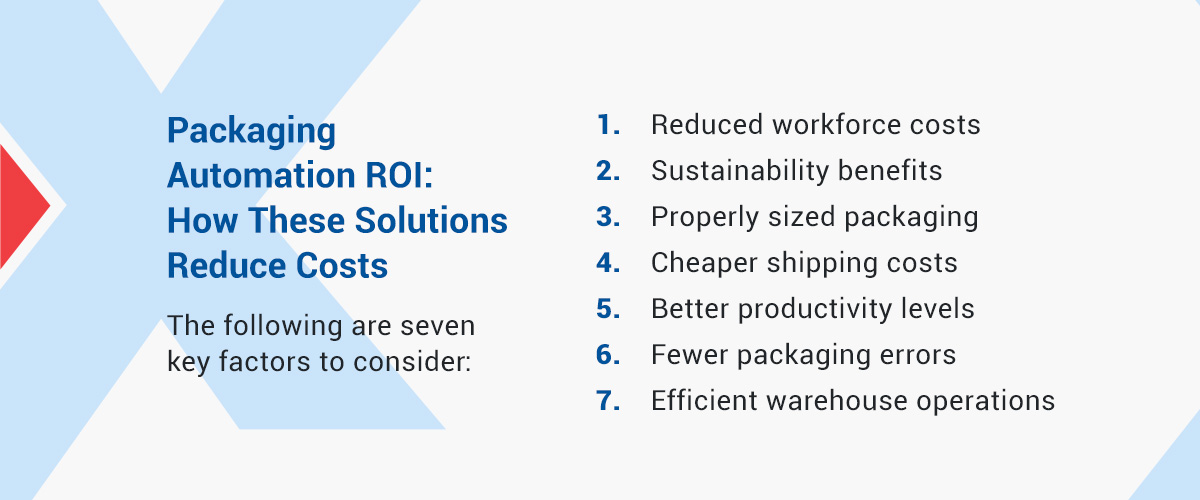
Packaging Automation ROI: How These Solutions Reduce Costs
Understanding the up-front costs and long-term gains of automated packing provides a clear picture of the potential ROI. The following are seven key factors to consider:
- Reduced workforce costs: Automated packaging solutions replace the majority of manual labor, resulting in labor cost savings. Fewer staff may decrease the cost of packaging per unit for businesses.
- Sustainability benefits: Automated packaging requires fewer packaging materials. It reduces material costs and minimizes material use, contributing to sustainability.
- Properly sized packaging: Using the right box sizes means less additional packaging materials, saving you money on packaging filler and lowering the cost per unit.
- Cheaper shipping costs: Smaller, properly sized box packaging requires less space than larger boxes, which helps reduce shipping costs.
- Better productivity levels: Automated packaging systems speed up the process compared with human workers. Improving speed is particularly beneficial during peak periods and holiday seasons, when high product turnover occurs.
- Fewer packaging errors: Manual labor is prone to mistakes — using the wrong labeling or packing the wrong products can happen repeatedly. With automated packaging, there is less risk of human error.
- Efficient warehouse operations: The fast processing of automated packaging means warehouses can run efficiently, and space is more readily available. Automated processes keep costs per unit stable.
Lower Packaging Costs by Selecting the Right Machinery
The process of integrating automated packaging solutions differs by industry. There is no one-size-fits-all approach, and pinpointing the most suitable automation options will save you hassle and money. Whether you are in the food, retail or electronics industry, here are some of the most beneficial automation solutions:
Food, Beverages and Other Perishables
From coffee to pet food products, automated packaging must help to extend shelf life and maintain product quality. The best solution is to apply vacuum sealing and modified atmosphere packaging. This packaging approach replaces air with gases to enhance shelf life. Suitable for fresh, frozen and all perishable products, this type of packaging reduces the risk of spoilage and keeps costs per unit stable.
Pharmaceutical and Medical Products
Regulations require medical and pharmaceutical product packaging to adhere to specific guidelines and standards. Factors such as accuracy and precision are particularly important in limiting the risk of causing harm to end users. The primary ROI focus for these products is ensuring adherence to protocols. Installing validatable bag sealers ensures product integrity, as they are specifically designed for use in the medical and pharmaceutical industries.
Retail and Consumer Goods
Whether your specific market is consumer packaged goods or corrugate and paper, the priority is to process packaging at high volumes. Flexibility and speed are key benefits that help limit labor costs per unit. With automatic shrink wrappers and bundlers, you can efficiently create packaging such as bottles, cans and cartons, managing specific requirements at scale.
Electronics, Industrial and Specialty Products
For packaging heavier materials, such as construction materials and electronics, you require robust solutions to adequately protect high-value products. A suitable packaging solution ensures the safe storage and transportation of products for customers and limits return costs. Sealers and shrinkwrap equipment are particularly beneficial for larger or oversized products and are resilient during the handling and shipping process.
Discover Packaging Automation With an Expert Partner
Plexpack has over 50 years of experience providing businesses with a range of packaging solutions. Our team offers high-quality, efficient machines, from validatable bag sealers to automated bagging systems, to help you exceed expectations and reach your goals.
Are you ready to explore services from one of the most trusted packaging automation companies? Get in touch with us today to discuss a customized solution that meets your requirements.