Choosing the right packaging increases efficiency, improves protection and lowers costs. The goal is to optimize packaging costs by improving efficiency and reducing waste. This guide helps you select the best bags for automated packaging with Plexpack equipment, ensuring compliance with industry standards.
Matching Bags to Your Plexpack Equipment
Properly matched packaging ensures your automated system runs smoothly. The result is higher throughput, greater accuracy, less material waste and better labor utilization.
Emplex Continuous Band Sealers
Continuous band sealer bags are sealed by machines that use heated bands to create a consistent, airtight seal. This fast, continuous process is ideal for large-quantity food packing, pharmaceuticals and cosmetics. These bags use thermoplastic materials like laminates, foil, polyethylene (PE) and polypropylene (PP).
Emplex continuous band sealers can handle a wide range of bags:
- Flat bags: These bags are sealed on three sides, leaving one side open for filling. They are cost-effective and commonly used for single-use items or flat products.
- Stand-up pouches: Stand-up pouches are often made from multilayer laminates or foil to protect freshness. They have a flat or oval base, so they stand upright for better branding and visibility. These are popular for premium products like coffee, pet food and supplements, and often include resealable zippers.
- Gusseted bags: This type of bag provides more space and a sturdy, box-like structure for bulky or irregularly shaped items like flour, pet food or hardware. They are stable for palletizing and shelf display.
- Plastic, plastic-lined or foil bags: These bags provide superior environmental protection, crucial for products with long shelf lives or sensitivity to external factors.
- Pillow-type bags: This is a popular and economical bag that is widely used for snacks, chips and single-serving items. They have a simple design with a vertical back seal and horizontal seals at the top and bottom.
VacPack Vacuum and Gas Flush Sealers
Automated vacuum and gas flush sealers use specialized, high-barrier materials that are airtight and durable. The main types are multilayer plastic pouches, vacuum-skin films and thermoformed trays. The materials used are typically multilayer films or laminates that combine different plastics to achieve specific properties like low oxygen transmission rates (OTR), puncture resistance and seal integrity.
The best bag types for this category of automated packaging, using Plexpack equipment:
- Vacuum pouches: Also called “chamber pouches,” this common packaging solution is ideal for preserving meats, cheeses and medical supplies.
- Flexible pouches and bags: These are the most common type of packaging used with chamber and nozzle-style automated machines. They are pre-formed or created from rolls of film.
- Semi-rigid, rigid trays and lidding films: Automated thermoforming or tray-sealing machines create a more robust package, often for fragile products or specific retail displays. Two rolls of thermoforming create a custom-fitted tray and lid "in-line" on a thermoforming machine, perfect for high-volume applications.
Damark Shrink Wrappers and Bundlers
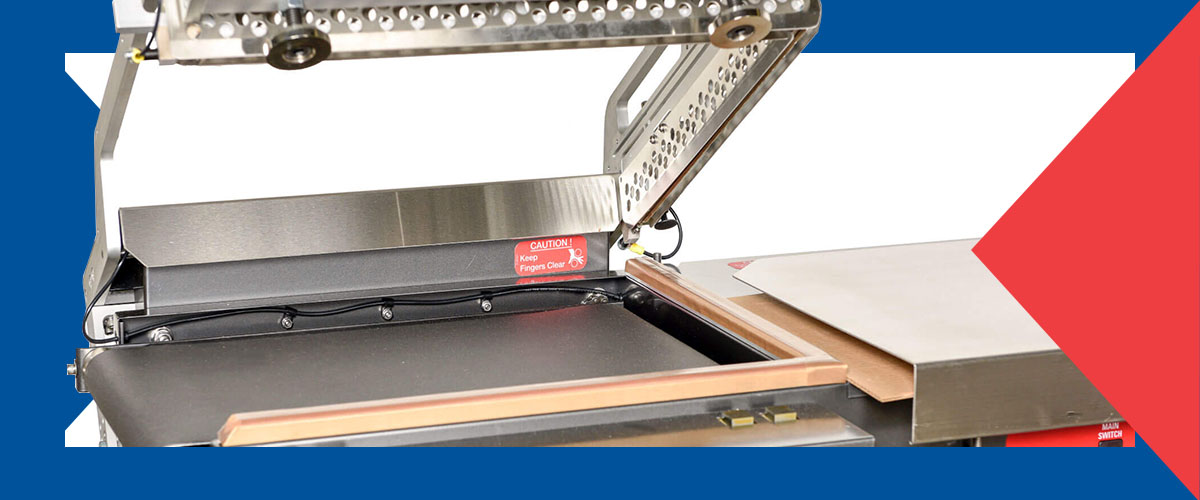
Plexpack's Damark line uses specialized types of shrink film to create secure, visually appealing packages for a wide range of items, from single units to large multipacks.
The main types of packaging created include:
- Centerfold shrink film: This is used with L-bar sealers to fully enclose products in a protective layer. It's ideal for retail items like software boxes, pizzas or board games.
- Shrink bundling film: A heavier-gauge film used to create sleeve or bullseye wraps that bundle multiple items together like a 12-pack of water bottles. The primary goal is to achieve transit stability and create convenient multipacks, rather than full enclosure.
- Shrink bags: These are pre-made bags in which a product is placed before being sent through a shrink tunnel. They are great for quickly wrapping uniformly shaped items.
Bag Material Considerations for Your Industry
The material used in packaging is a crucial factor that impacts durability, barrier properties and compatibility with specific machines. Their type is dependent on industry, product and intended use.
Food, Beverage and Cannabis
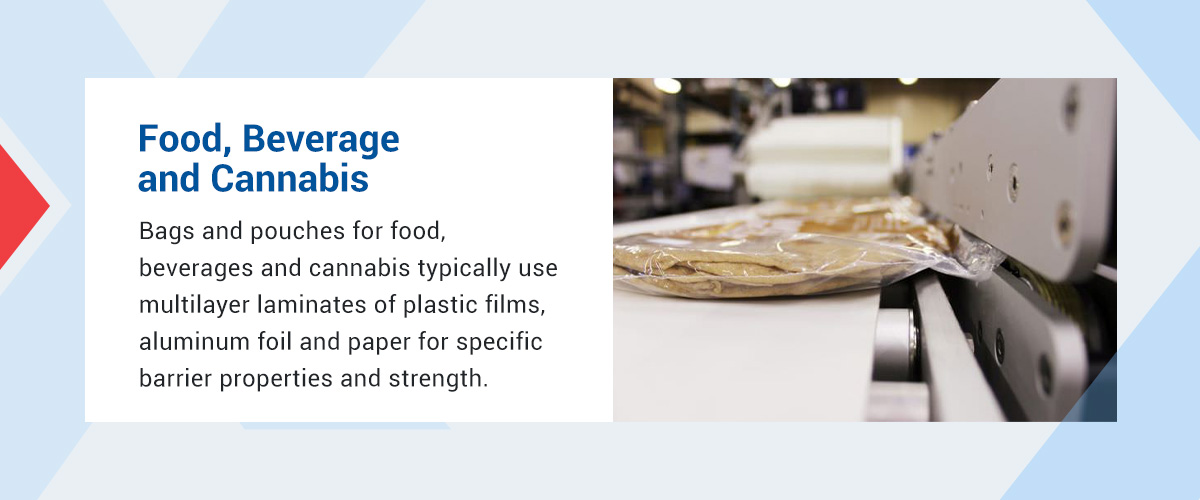
Bags and pouches for food, beverages and cannabis typically use multilayer laminates of plastic films, aluminum foil and paper for specific barrier properties and strength. All materials that come into contact with food must be food-grade and safe for their intended use as determined by the U.S. Food and Drug Administration (FDA).
Common materials include:
- Plastic films: PE, used for frozen foods and heat-sealing layers, is flexible, durable and moisture-resistant. PP is suitable for retort pouches and snacks due to its heat- and moisture-resistant properties. Polyester (PET) is clear, strong, has good barrier properties and is often used as an outer layer for printing. Metalized PET “Mylar” is used for cannabis products. Nylon (PA) is highly resistant to punctures and impacts and is used for vacuum-sealed meats and durable products. Ethylene-vinyl alcohol (EVOH) is an excellent barrier to oxygen and gases, but it requires a moisture barrier layer, such as PE or PP. This makes it essential for gas-flushed products like fresh meat or coffee to maintain shelf life.
- Aluminum foil: Offers nearly complete protection from moisture, light and oxygen to extend shelf life. It is typically used as a middle layer in laminates due to its fragility.
- Paper: Chosen for sustainability and its natural look, paper is often laminated with plastic or foil for better durability, barrier properties and easy printability.
- Metalized films: Plastic films like PET or PP, have a thin aluminum layer deposited on them. They provide effective barriers, an attractive metallic appearance and cost less than full foil.
Medical and Pharmaceutical
Medical packaging machines use plastic films and laminates with breathable materials, such as Tyvek® or medical-grade paper, for sterilization compatibility and sterile barriers.
Validatable packaging is tested, monitored and documented to ensure product integrity and safety as required by standards like ISO 11607. This is essential for regulated industries like medical and pharmaceutical, where a sterile barrier and quality are required.
Common types of flexible, validatable packaging materials:
- PE: Flexible and has good moisture barriers. Works with some sterilization methods.
- PP: Provides good heat-sealing and chemical resistance.
- PET: Strong, clear and stable. Frequently used as an outer laminate layer.
- Aluminum foil: Used in laminates. Provides strong barriers for the longer shelf life of sensitive medicines.
- Tyvek®: Used for lids or pouches due to its microbial barrier and breathability needed for gas and radiation sterilization.
- Medical-grade paper: Breathable and suitable for ethylene oxide (EtO) and steam sterilization.
Industrial, Hardware and Consumer Goods
For these products, the focus shifts to durability, puncture resistance and cost. While many of the same materials are used, they are selected for the following properties:
- Maximum durability and puncture resistance: Materials like high-density polyethylene (HDPE) and nylon excel. They are the top choice for heavy-duty bags holding industrial parts, sharp hardware or soil.
- Cost-effective, general-purpose protection: Low-density polyethylene (LDPE) is the go-to choice due to its flexibility and value. It is ideal for liners and basic product wrapping.
- Barrier protection and high-end finish: For sensitive items like electronics or products requiring a premium look, laminates using PET and aluminum foil are used to protect against corrosion, moisture and aromas.
Finalizing Your Bag Selection
Consider the following factors to make your final decision:
- Plexpack machine: The ideal bag for an Emplex band sealer is very different from the film required for a Damark shrink bundler or a VacPack vacuum sealer. Ensure the bag style and material are a perfect match for your equipment.
- Production speed goals: Some materials and bag styles are designed for high-speed automation, while others require slower speeds. Consider your desired output, or bags per minute, when selecting your packaging to ensure it can keep up with your operational demands.
- Perishability: Food, cosmetics and pharmaceuticals may need airtight or temperature-controlled packaging.
- Sensitivity: Use UV-blocking or electrostatic discharge (ESD) packaging for light- or static-sensitive products.
- Size, shape and weight: Measure products accurately to save space and lower shipping costs. Custom solutions may be needed for odd shapes.
- Protection from the elements: Use moisture-resistant or waterproof layers for humid conditions.
- Air and gas protection: Choose airtight or oxygen-barrier films like Mylar for freshness.
- Tamper-evidence: Use tear-proof materials or security strips for added security.Branding and information display: Consider high-quality printing of logos, instructions and barcodes. Use custom inserts or branded tissue to enhance the customer experience.
- Budget: Weigh material costs against your budget and potential savings from less damage or waste.
- Storage and shipping: Choose packaging that’s durable, easy to store and stacks or ships well.
- Sustainability: Use recycled materials or waste-minimizing designs, as many consumers prefer sustainable packaging.
Achieve Packaging Certainty With an Expert Partner
Deciding which bag types are best for automated packaging requires careful consideration of materials and costs. While this guide is a strong starting point, the optimal solution for your business may require tailoring to meet your specific needs.
Plexpack builds top-quality sealing, shrink wrap and bundling solutions. Our modular systems are made to order and customizable to fit your products, budget and operation.
Ready to find the perfect bag and machine pairing? Our experts are here to help you design your ideal packaging solution. Fill out our online contact form to get started today.